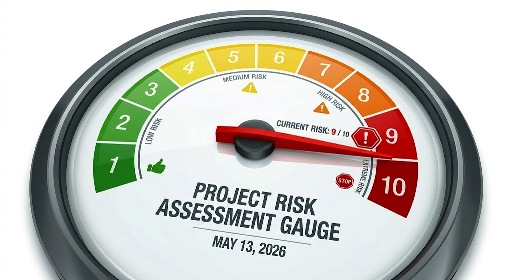
The transition to SMPTE ST 2110 introduces specific operational and commercial vulnerabilities during the negotiation cycle. Failure to address these early can derail project timelines and budgets.
Technical & Design Vulnerabilities
Scope Creep (The "Moving Target"):
As the framework evolves into a specification, network topology changes can cascade into increased hardware costs.
Mitigation: Define strict "Boundary Conditions" in the initial proposal to limit free revisions to minor adjustments.
Thermal & Power Miscalculation:
Underestimating the high-density cooling requirements of IP fabrics leads to facility-level infrastructure failure.
Mitigation: Require a mandatory "Facility Impact Audit" before final revision approval.
Contractual & Timing Risks
The Negotiation Bottleneck:
The 3–5 week drafting period for System Sale Agreements can result in missing critical event deadlines.
Mitigation: Utilize the Letter of Intent (LOI) with an Authorization to Proceed (ATP) for long-lead procurement.
Procurement Gridlock:
Global supply chain issues for PTP Grandmasters or high-density switches can pause a project for months if not ordered early.
Mitigation: Carve out "Long-Lead Items" as a separate, early-payment milestone in the LOI.
Strategic Note: Marketing & Sales must monitor the Review Cycle closely. If technical requirements shift by more than 15%, a full margin reassessment is required before issuing the System Sale Agreement.
Commercial Risks
Performance Ambiguity:
Vague acceptance testing criteria in the 2110 environment can lead to prolonged "Hand-off" disputes.
Mitigation: Attach a detailed "Acceptance Testing Protocol" to the formal contract.